On 3 December, MA Music Industry and Music Production from the HBU-UCLan School of Media, Communication and Creative Industries, led by Year Tutor Cui Yuchen, visited Baoding No.2 Branch School to conduct a music teaching observation activity. This activity aimed to allow students to delve into secondary school classrooms and experience the essence and charm of education through practice.
The first lesson was delivered by teacher Yin Xinyi from Baoding No.2 Branch School, focusing on the theme of "Introduction to Symphony". Teacher Yin systematically introduced the genres of symphonic music and the instruments of the orchestra, incorporating lively and engaging interactive segments into the lesson. Students used percussion instruments such as triangles, double-tone blocks, and jingle bells to provide live accompaniment for the classic piece "Ode to Joy". Through participating in the classroom performance, students gained a deeper understanding of the role of different instruments in ensemble playing. At the conclusion of the lesson, through analysis and appreciation of "The Young Person's Guide to the Orchestra", students acquired a more intuitive and comprehensive understanding of the orchestral palette and musical vocabulary.
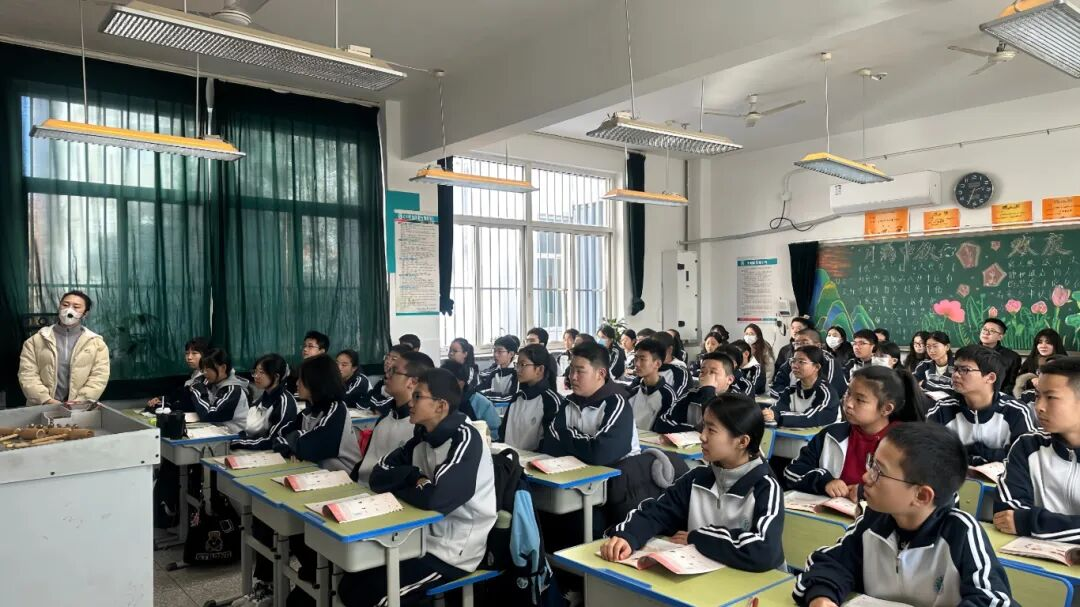
The second lesson was an Orff music lesson delivered by teacher Chang Jinyue from Baoding No.2 Branch School, concentrating on the core themes of body percussion and sound gestures. Teacher Chang explained in detail the definition of "sound gestures" and led students in listening to music and engaging in musical creation, perfectly integrating body movement with musical rhythm, creating rhythmically rich music through basic sound gestures such as clapping, stamping, thigh-slapping, and finger-snapping. With the full participation of both teacher and students, the entire classroom formed a vibrant and imaginative space for musical interaction.
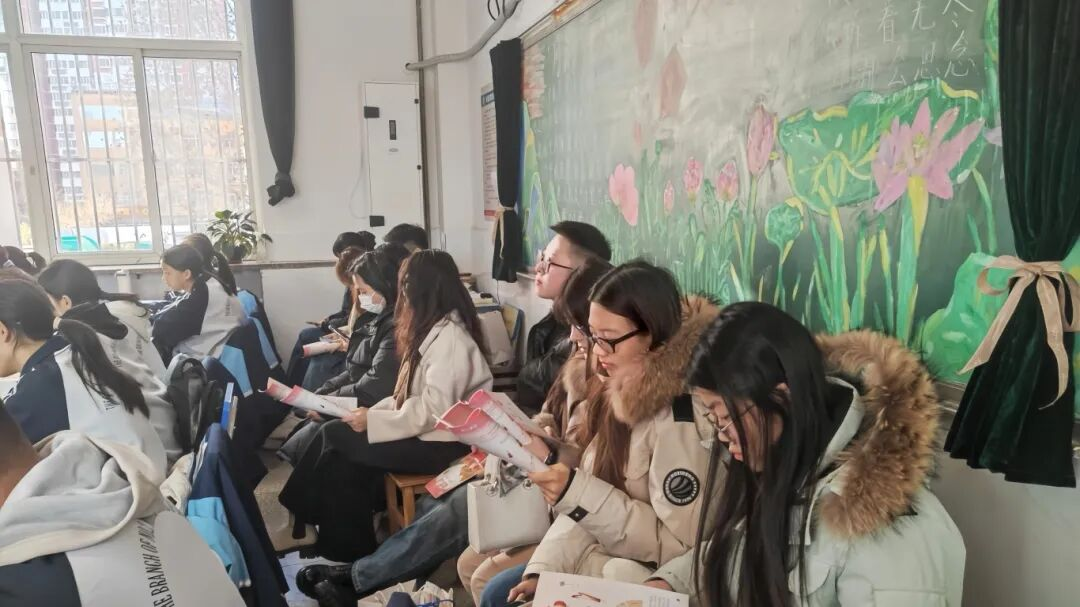
This observation activity represented a platform actively built by the School to integrate theory and practice, serving as a collision and fusion of educational philosophies. It provided students with valuable learning experiences, broadened their disciplinary horizons, and enhanced their understanding of the profession. In the future, the School will continue to promote inter-school collaboration, establishing cooperative development platforms in areas such as talent development and teaching research, injecting sustained momentum into the development of aesthetic education.